

Business Capability Program Helps Banana Shire Businesses Prepare for Major Projects
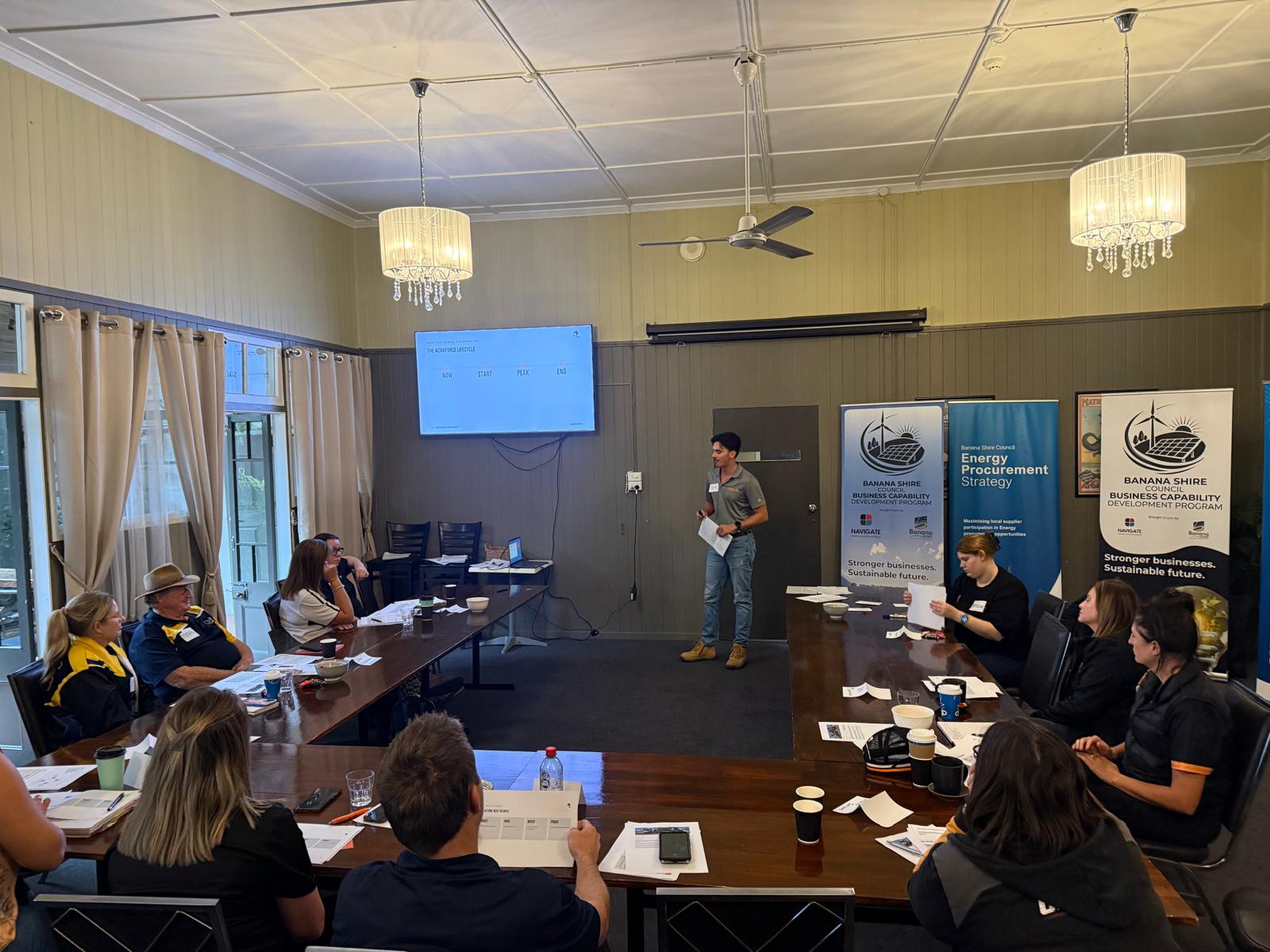
The Business Capability Program, delivered by NAVIGATE Business Solutions Australia in partnership with Banana Shire Council, is helping Banana Shire businesses prepare for major project, procurement and supply chain opportunities.
As part of the program, NAVIGATE delivered two workshops in Biloela on 20 May 2026 and 18 June 2026. The sessions focused on a practical question for local businesses: how do we prepare for procurement, supply chain and major project opportunities before they move too far down the pipeline?
For many regional businesses, opportunity is not the issue. The challenge is knowing how to prepare early, understand buyer expectations and present capability clearly.
That is where business capability development matters.
Supporting business capability in Biloela
The Biloela workshop series brought together a broad mix of local businesses, including mining shutdown contractors, civil and earthworks businesses, service providers, accommodation providers, professional service firms, technical service providers and local suppliers.
Many attendees were interested in upcoming opportunities linked to major projects, renewable energy developments and broader regional investment across Banana Shire.
The workshops moved beyond grants alone. They explored the foundations businesses need before stepping into larger project environments, including procurement readiness, contract familiarisation, supplier visibility, workforce evidence, site readiness and go / no-go decision-making.
These are the areas that often determine whether a business is ready to pursue larger work.
Why early preparation matters
Major project opportunities can move quickly.
By the time procurement is live, businesses may already need supplier registrations, insurances, workforce records, safety documentation and capability evidence in place.
Waiting until an opportunity is advertised can leave little time to prepare.
The workshops helped local businesses think earlier. The discussion was not only about what grants are open. It was also about whether a business is actually ready for the opportunity it wants to pursue.
That shift is important.
Grant success, procurement readiness and major project participation all depend on strong foundations.
Understanding supply chain fit
A key question guided the second session:
If and where do we fit in the supply chain, and what do we need to be ready?
This question is especially relevant for regional Queensland businesses. Major projects can create flow-on opportunities across trades, transport, logistics, maintenance, administration, accommodation, training, professional services, civil works, technical support and local supply.
The sessions explored procurement pathways linked to major projects and renewable energy developments, including solar, wind and battery energy storage system projects.
These projects can create opportunities for both larger contractors and smaller subcontractors. But not every opportunity will be the right fit.
Strong preparation helps businesses make better decisions about where to focus their time, effort and investment.
Procurement readiness in Queensland supply chains
Procurement readiness was one of the main themes across the workshops.
For many businesses, working with larger contractors or major project stakeholders can involve new requirements. These may include supplier registration, contractor prequalification, safety documentation, capability statements, relevant insurances, compliance records, workforce documentation, contract terms, site access requirements and delivery expectations.
Buyers need confidence.
They need to know a supplier can deliver safely, reliably and within project requirements. It is not enough to say the business can do the work. The business needs to show clear evidence of capability.
This is where many smaller suppliers can strengthen their position. A business may have excellent local experience, but still need to translate that experience into the language buyers expect.
What major project buyers look for
Larger contractors and project stakeholders often assess more than price.
They may look at previous project experience, relevant licences and tickets, safety systems, workforce capacity, equipment availability, financial and delivery capacity, local presence, quality systems, past performance and ability to meet timelines.
This is why capability evidence matters.
Clear service descriptions, strong project examples, supplier registrations and a current capability statement can help a business become easier to understand and easier to assess.
Site readiness and daily operational expectations
Major project environments often come with practical day-to-day requirements that can be different from standard local work.
Businesses may need to understand site access processes, safety inductions, workforce mobilisation, equipment readiness, communication protocols, daily reporting, contractor coordination, risk management and delivery timeframes.
The workshops helped businesses consider the difference between being interested in an opportunity and being ready to deliver it.
That distinction matters.
Interest does not create readiness. Preparation does.
Workforce readiness for major projects
Workforce readiness was also a key part of the discussion.
Businesses may need to show that their people have the right training, records and competencies before they can pursue larger project work. This may include licences, tickets, competencies, training records, assessment records, safety inductions, role-specific qualifications and evidence of experience.
For smaller contractors and subcontractors, these requirements can feel complex.
But preparing early helps reduce pressure later. It also gives businesses a clearer view of what gaps need to be addressed before opportunities arise.
Go / no-go decision-making
A strong theme across both workshops was decision-making.
Not every opportunity is worth pursuing. That can be a difficult but important conversation, especially for small and regional businesses with limited capacity.
Businesses were encouraged to consider whether an opportunity aligned with their capability, timing, workforce, evidence, contract expectations, delivery capacity and risk profile.
Good go / no-go decision-making helps businesses protect time, resources and capacity.
It also helps them focus on opportunities that are more commercially suitable and realistic to deliver.
Supplier visibility in Banana Shire
Supplier visibility was another important topic.
A business may have strong capability, but still need to be visible to buyers, councils, industry networks and project stakeholders.
Visibility can be strengthened through clear capability statements, supplier registration, business directories, chamber networks, procurement briefings, local industry events, relationship building and evidence of past performance.
The Banana Shire Business Directory was highlighted as a practical tool to help improve local business visibility and regional connection.
Local businesses wanting to stay informed or be involved in future sessions can register through the directory.
Register via the Banana Shire Business Directory
Building on local industry engagement
The Biloela workshop series followed June’s Meet the Buyer event hosted through the Callide Dawson Chamber of Commerce network.
Together, these activities support a clear regional goal: helping local businesses prepare before opportunities move too far down the pipeline.
Early engagement gives businesses time to understand upcoming activity, assess readiness and strengthen internal systems. It also gives councils, chambers and industry partners a clearer view of local capability.
That shared understanding can support stronger regional participation over time.
Why business capability development matters
For regional businesses, major project investment can create meaningful opportunities.
But those opportunities are not automatic.
Businesses need to be prepared. They need to understand procurement requirements, workforce expectations, documentation needs, pricing considerations, delivery risks, capacity constraints and evidence requirements.
They also need to present their experience in a way that buyers understand.
This is where business capability development plays a practical role. It helps businesses move from interest to readiness.
Navigate’s role in grant and project readiness
At NAVIGATE Business Solutions Australia, our work extends beyond grant writing.
We help businesses, councils and community organisations strengthen project readiness, funding strategy and capability.
That includes helping clients understand which opportunities are relevant, what evidence may be required, how to prepare before funding opens, how to assess grant and procurement fit, how to align projects with regional priorities and how to make stronger go / no-go decisions.
The Biloela business capability workshops reflect this broader role.
We are not just grant writers.
We help businesses prepare for funding, procurement and major project opportunities with stronger structure, evidence and strategy.
Thank you to Banana Shire Council and local businesses
Thank you to Banana Shire Council for supporting this work.
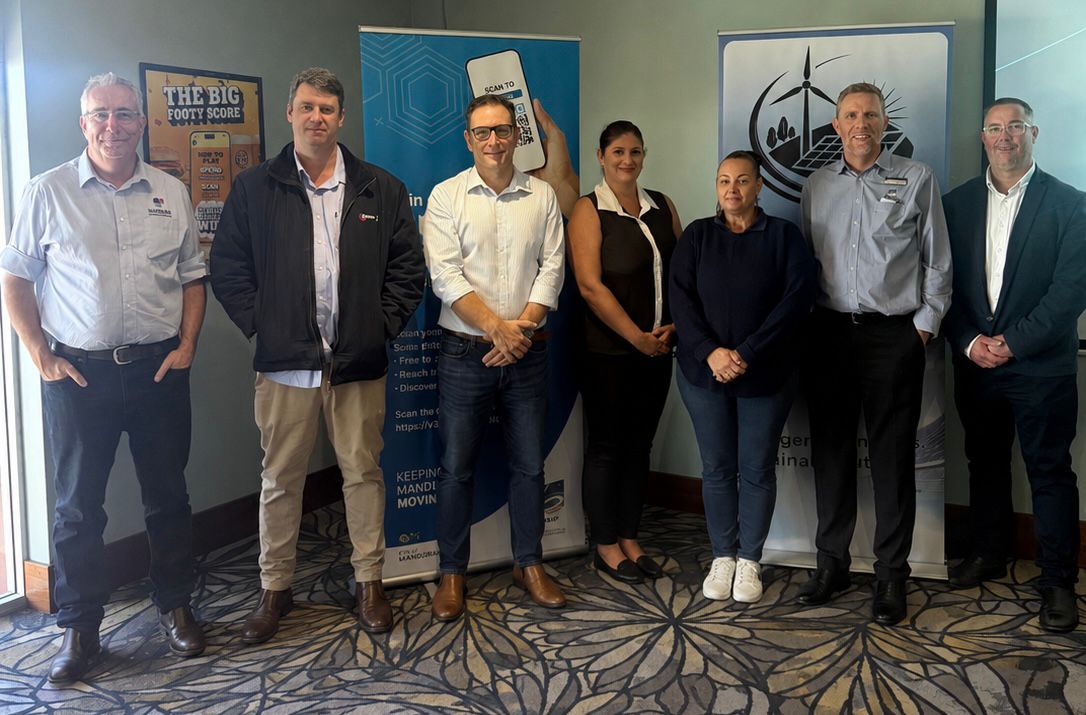
Thank you also to the local businesses who attended, along with council representatives and local chamber support.
Regional business capability is built through practical conversations, local knowledge and early preparation.
The Biloela workshop series is one example of how local businesses can strengthen readiness before opportunities move too far down the pipeline.
Need help preparing for grants, procurement or major project opportunities?
If your business is considering a grant, procurement opportunity or major project pathway, early preparation matters.
NAVIGATE Business Solutions Australia can help you assess readiness, strengthen your project logic and prepare the evidence needed to pursue the right opportunities.